

Key Takeaways
- Large events attract thousands of customers, which can generate millions of dollars for local economies.
- Small business owners should prepare for potential opportunities, as well as the risks that come with an influx of customers.
- One way to prevent risks to your business is by ensuring you have the right insurance policies with appropriate coverage.
Large local events can bring in a host of new customers. For instance, when nearly 121,000 out-of-town Taylor Swift fans descended on Pittsburgh in 2023, the city’s economy received an estimated $46 million over the course of two days. Similarly, The Players Championship attracts roughly 200,000 golf fans each year to the small town of Ponte Vedra Beach, Florida, generating $40 million in direct economic impact and upwards of $234 million annually. And when tens of thousands of fans traveled to the 2025 Super Bowl in New Orleans, the average attendee spent $5,553 during their trip, generating a total of $351.6 million.
Whether a popular musical artist is coming to town or your city is preparing to host a big game, major events can bring a flood of customers to your small business. Savvy ones can capitalize on these types of opportunities while balancing the increased risk. Here’s how to prepare for the influx of customers that come with a large event—and how to protect your business during peak demand.
How Big Events Can Impact Your Business
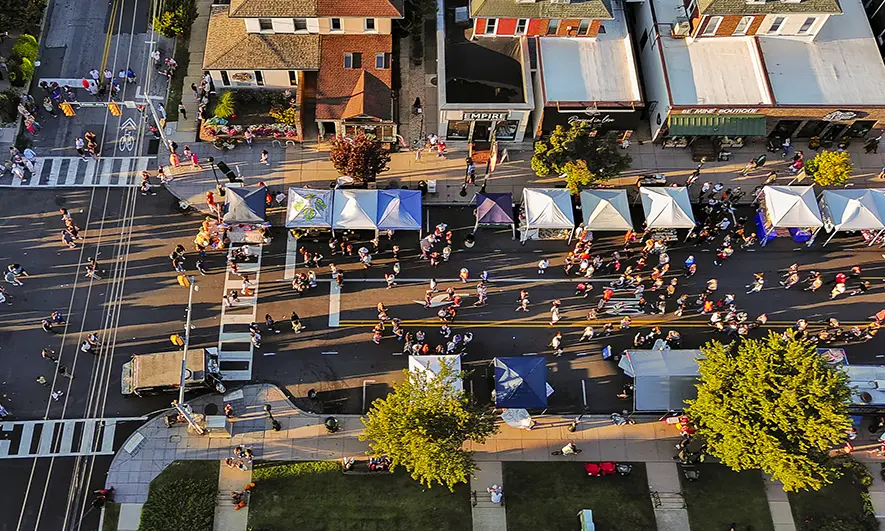
Big events can bring in potential customers. While a rush of visitors can boost business, larger crowds can also increase risk. As more people move through your spaces, they increase wear and tear on your property. And when a sudden bump in foot traffic creates crowds, it also increases the potential for accidents or other disruptions, especially in tight spaces.
Risks To Consider When Crowds Increase
Prepare for the following possibilities before an uptick in customers:
- Damage to your business property
- Slip, trip and fall claims
- Theft and burglary
- Disruption and civil unrest
- Operational strain during peak hours
Steps To Take Before Crowds Arrive
Preparing your business for major local events requires a two-pronged approach. You must balance planning for risks with preparing for revenue-boosting opportunities.
Reduce your risk by:
- Inspecting floors, walkways, entrances and lighting prior to and throughout the event’s duration.
- Checking outdoor tables, chairs or signage for wear and tear and replacing them if needed.
- Adding or reinforcing safety signage.
- Reviewing housekeeping and maintenance routines with your staff.
- Preparing staff to serve a higher number of customers.
- Assessing your schedule and determining whether to add extra staff during peak hours with higher demand.
- Refreshing your staff on incident response procedures, including civil unrest preparedness in case of unruly crowds.
Capitalize on the opportunity by:
- Updating your offerings to attract out-of-town visitors.
- Preparing a marketing strategy that may include strategic social media marketing to capture the attention of visitors.
- Planning promotions to engage potential customers.
- Thinking of ways to make connections and extend new customer relationships beyond the event.
- Preparing translations of your signs, menus and website for international visitors (if applicable).
Tip: Look for local business resources ahead of time. For example, before hosting 2026 World Cup matches, Kansas City prepared a Game Plan Playbook to help small businesses prepare.
Why It’s Smart To Review Your Insurance Coverage
Large events temporarily increase risk exposure for businesses in the area. It’s essential to understand your business’ general liability and property coverage. Prior to any boost in customer traffic, review your business insurance policies and talk to your agent to ensure you’re properly covered on all fronts — especially if you’re planning any promotions specific to a local event.
Pre-Event Safety Checklist for Small Business Owners
Leading up to any event, take care of the following:
- Check walkways, entrances and flooring; remove obstructions and mitigate slippery areas.
- Inspect lighting and signage to ensure customers can easily see and read all signs.
- Take security and theft prevention measures, testing alarms and locks.
- Refresh staff on safety procedures and incident response.
- Prepare your schedule, keeping in mind peak times related to the event.
- Review your business insurance policy and coverage limits.
- Talk to your insurance agent if you need coverage updates.
Plan Ahead To Seize Opportunity
By reviewing your insurance and preparing safety measures for both staff and guests ahead of time, you not only help prevent accidents and other issues, but you also help your staff focus on creating great experiences for your customers. Your business can benefit from the event rather than suffer the consequences of being unprepared.
Talk to your agent and review your business insurance policy before the crowds arrive, especially if you’re planning any promotions aligned with the event. Learn more about business insurance options designed for small businesses.
If you need business insurance coverage, get a fast and free quote online today from The Hartford.
Business Insurance Frequently Asked Questions
How can I reduce slip, trip and fall incidents?
Clear walkways, train employees to use signage for wet floors, and provide anti-slip mats in high-traffic areas.
How often should I review my business insurance policy?
Review your business insurance policy at least once a year and any time your business changes such as hiring additional employees or expanding your services. Annual reviews help ensure your coverage still matches your operations and helps prevent coverage gaps.