


Key Takeaways
- Running a professional service provider business isn’t just about your professional expertise, it’s also about having business acumen.
- Starting a successful professional service business often requires finding the right location, securing a business loan to pay start-up costs, doing your own marketing and hiring employees.
- Take time to do market research and understand what it takes to start your own business before striking out on your own.
If you’ve developed deep expertise in a particular field, starting your own business may be a smart call. But it’s not just about expertise. You also need to be business savvy: Becoming an independent professional service provider often requires big start-up expenses and taking on risk. That could include buying or leasing equipment and real estate or managing a staff of employees.
It’s not a decision to make lightly—and you’ll want to do some research before striking out on your own.
Here’s a look at 16 professional service provider businesses and guidance on what you’ll need to get started.
1. Medical Practice
You did all the work to earn a medical degree and become a licensed physician. Opening your own medical practice may seem attractive. Still, you have a lot of work ahead of you. Finding the right practice location is critical, and you’ll probably need a hefty dose of financing to rent or buy your space and purchase equipment. You’ll also need to choose the right electronic health records (EHR) system and start to pursue credentialing from insurance companies months in advance. And don’t forget about networking in the community to get the word out about your practice and hiring employees. You might consider hiring a professional medical practice manager to help you navigate all the important decisions and steps you’ll need to take.
Startup needs: Medical degree and medical license; location; lots of initial capital; insurance credentialing; EHR; business management knowledge
2. Dental Practice
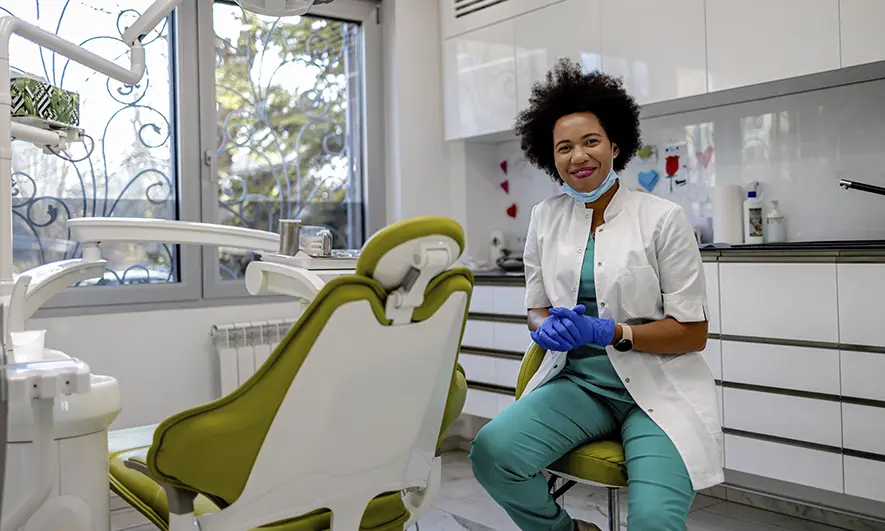
A dental practice is similar to a medical practice. You’ll need a highly-visible location, equipment, staff and an EHR system—so you’ll need significant financing upfront. Starting a dental practice generally costs at least $500,000, according to the American Dental Association. Securing financing requires a business plan to show lenders that there’s room for a new dental practice in your community and that you can attract new patients quickly. Networking and building a large pool of active patients is key.
Startup needs: Doctor of dental surgery or doctor of dental medicine degree from an accredited institution; license from state to practice dentistry; lots of initial capital; insurance credentialing; EHR; business management knowledge
3. Consulting Business
Consultants are needed in all types of industries and areas of expertise—but there’s also a lot of them in the world. To build a viable consulting practice, you’ll need to first consider how to differentiate yourself in a crowded market. What’s your niche or unique value proposition? It helps if you’ve already gained valuable real-world experience and industry connections. You’ll also want to network with your target audience and build credibility. You can do this by giving speeches, participating in panels at events or writing blog posts to build up your social media following. As a consultant, you can often work from home without major start-up costs.
Start-up needs: Deep expertise in your consulting area; a niche or unique value proposition; proactive networking
4. Chiropractic Clinic
Starting your own chiropractic practice goes beyond just having a doctor of chiropractic degree and a state license. You’ll also encounter challenges that many business owners face: Do you have a business plan that will persuade banks to lend you the money needed for your location, equipment and initial working capital? Who do you need to hire? How will you market your practice? Setting up shop at a location where there’s an unmet need for your services is a big plus.
Startup needs: Doctor of chiropractic degree; state license; business financing; good location; business management knowledge
5. Massage Therapist
Assuming you’re certified in massage therapy, you can start marketing your services. Consider how to strategically build your business. Will you have a retail location or will you provide services at clients’ homes or workplaces? Will you specialize in a certain type of massage or offer several different types? Certification courses can also help you build an effective business as you sharpen your skills.
Startup needs: Certification in massage therapy
6. Alternative Medicine Provider
Alternative or complementary medicine has gained ground in the U.S. in recent decades, with Americans increasingly embracing therapies such as acupuncture and meditation. Business requirements depend on the type of alternative medicine you’re practicing. To become an acupuncturist, for example, many states require passing an exam and obtaining a license. Make sure to choose a business location with a market that’s large enough for your services and not already packed with competition. You’ll also want to consider how to differentiate your business so you stand out.
Startup needs: In the case of acupuncture, complete an acupuncture program at an accredited school and obtain a license from the state; location and equipment; business management knowledge
7. Eye Clinic (Optometrist)

Optometrists who start their own eye clinics usually have a strong desire to be their own bosses, but they should keep in mind that starting a business can be tough work. You’ll have to demonstrate to a prospective lender that your intended location is high-traffic in an area that needs more eye clinics. You’ll have to prove you can pay the bills for your clinic during the first year or two as you build a patient base. And expect to spend time on insurance claims, employee management, marketing and the many other tasks that go into running a business.
Startup needs: Doctor of optometry degree; state license; business financing; good location; business management knowledge
8. Foot Clinic (Podiatrist)
You have the expertise, now you also need to figure out how to run a business. Podiatrists looking to start their own foot clinics must overcome many of the challenges faced by entrepreneurs in general. You’ll need to find the right location, write a persuasive business plan, secure financing and much more. Dr. William Fishco, an Arizona-based podiatrist, shared a piece of advice in Podiatry Today: Make sure you’re spending time doing surgeries in a hospital and not just a local surgery center. That’s because time spent in the hospital will allow a larger network of health professionals to witness your abilities and hopefully forward more patients your way.
Startup needs: Doctor of podiatry degree; passing the American Podiatric Medical Licensing Exam; business financing; good location; business management know-how
9. Medical Lab
Medical lab testing in the U.S. is dominated by major corporations. The big question for anyone looking to start a new medical lab: Do you have something new to bring to the space? Consider networking with health provider administrators, physicians and their staff to find out what is lacking in the existing medical labs. Then you can determine if you can offer those services or do them better.
Startup needs: Clinical Laboratory Improvement Amendments certificate from the Centers for Medicare and Medicaid Services; lab testing industry knowledge and experience; large upfront capital for location and equipment; equipment calibration and a quality-control program
10. Law Firm
For many lawyers, starting their own firm is a dream. But here’s a good piece of advice: Keep your overhead low as you start out. At least initially, avoid the fancy office, staff and pricey office equipment. Focus instead on winning clients and building your reputation. Also, don’t buy expensive billboards or newspaper ads. Concentrate on creating a professional-looking website and use social media, blogging or other forms of content marketing to highlight your expertise.
Startup needs: Law degree; passing the bar examination; an in-demand specialty; a professional-looking website; do-it-yourself content marketing
11. Engineering Firm
There are differing views on how best to launch your own engineering firm. Perhaps you first want experience working for another company where you learn the ropes of the business, make contacts and earn a Professional Engineer designation. If you go that route, you might need a lawyer to help you navigate the non-compete agreement when you go off on your own. If you’re still in engineering school, you could start by helping a professor with their consulting work. From there, you might come across an opportunity that could turn into a business for you once you’re out of school.
Startup needs: Four-year degree from an accredited engineering program; possibly a Professional Engineer designation; capital for computers, software and equipment
12. Accountant
If you’re going to strike out on your own as an accountant, you’ll probably need to become a Certified Public Accountant (CPA). This allows you to audit your clients’ financials, reviewing their statements and represent them in tax matters before the IRS. To become a CPA, you’ll need advanced financial coursework beyond a four-year college degree. You must pass the Uniform CPA exam and meet your state’s experience requirements. Even after you’ve become a CPA, you may have to work hard to market yourself once you start on your own. Plan to go above and beyond for your initial clients—with no immediate financial reward—to build up your reputation.
Startup needs: Four-year college degree; CPA certification; passing Uniform CPA Exam; accounting software and tools
13. Architectural Firm

If you’re starting your own architectural firm, remember that every work opportunity can be valuable. You may have to do jobs pro bono or at a discounted price to get your name out there. Oddball projects and work helping large firms are all opportunities. If there’s anything you should splurge on, it’s high-quality photography of your finished work. Enter it in design competitions and pitch it to magazines and websites to better market yourself.
Startup needs: Architectural degree from an accredited school; experience; passing the Architect Registration Examination; a license from state; software and equipment; a portfolio of projects, including quality photography
14. Surveying Service
Starting small can be a good idea when building a surveying service. Save money by buying as much used equipment as possible. If there’s a choice between having a robot and an assistant, it might be smart to go with the robot—simply because you can avoid worrying about payroll. If you plan to work in urban areas or on small tracts of land, you might get away with not having a GPS system and only leasing a system when it’s necessary.
Startup needs: Bachelor’s degree in surveying or related field; license from state; additional experience; equipment
15. Custom Manufacturing
Manufacturing is making a comeback in the U.S., at least when it involves highly specialized, automated processes. Getting into the game will require startup capital for your location and machinery. Expertise and connections in a particular industry, such as automobiles or medical devices, are important.
Startup needs: Expertise and education; capital for location and machinery such as a computer numerical control machines and 3-D printers; a niche market
16. Art Gallery
The key to success as an art gallery owner is to carve out your own unique vision and niche—and then own it 100%. Don’t expect instant success. It can take years to build up your expertise and reputation, cultivating loyalty among avid collectors and artists along the way. You might start with your own art consultancy or work at an auction house or someone else’s gallery to build your knowledge of a particular area of the art world. This will likely expand your network to the point where you can take the leap and open your own gallery. A college degree in art and art history can also help.
Startup needs: Expertise in a particular art niche; loyal following of collectors and artists
Your expertise is invaluable when starting a professional service business—but your business acumen is just as critical. Before hanging your shingle, take the time to really understand what’s involved in running a viable business and positioning yourself for success.